A few months ago, if you had asked me what “digital authority” meant, I would have guessed it had something to do with how many followers you have. More followers equals more authority, right?
Wrong. So wrong. And learning why changed the entire way I think about my career as a creator.
The Verification Rabbit Hole
It all started when I was trying to become a Snap Star, Snapchat’s version of being verified. I’d done the work. I had the audience. I was posting consistently. But the verification kept not happening, and I couldn’t figure out why.
I asked other influencers for help, and most of them either gave me generic advice or just ignored me completely. So I started researching on my own, and that’s how I stumbled across Dennis Yu and the whole concept of becoming “Googleable.”
When I reached out to Dennis, he didn’t just give me a quick tip. He took me on a virtual tour of CES in Las Vegas and showed me how major companies think about visibility and credibility. That conversation completely reframed everything for me. I wrote about how it led to building this website.
What Digital Authority Actually Means
Digital authority has nothing to do with follower counts or viral videos. It’s about whether the internet, specifically Google, can verify who you are, what you do, and why you matter. It’s about having a structured, consistent digital footprint that makes it easy for search engines, brands, journalists, and potential partners to find accurate information about you.
Think about it this way: if someone Googles your name right now, what do they find? If the results show just a bunch of social media profiles with no real context tying them together, that’s a problem. Brands doing due diligence before a partnership want to see more than your TikTok page. Journalists looking for an expert opinion want to see credibility. And Google itself needs structured information to even consider giving you a Knowledge Panel.
Why Most Creators Ignore This
I get why most creators don’t think about this stuff. When you’re focused on getting views and growing your audience, things like “schema markup” and “Knowledge Panels” sound irrelevant. Why would you care about Google when your audience lives on TikTok?
But here’s what I learned: social media platforms are rented space. You don’t own your followers there. The algorithm decides who sees your content. And if the platform goes away or changes its rules tomorrow, which has happened before, your entire audience could disappear overnight.
Digital authority is what protects you from that. When Google recognizes you as a legitimate entity in your field, that recognition exists outside of any single platform. It follows you wherever you go. It’s permanent in a way that social media never is. That realization is what pushed me to go from just posting content on TikTok to actually building a structured online presence.
What I’m Doing About It
Since that conversation with Dennis, I’ve been actively building my digital authority. Here’s what that looks like in practice.
First, I secured my personal domain, kyleabellar.com. This site you’re reading right now is my digital home base, the one place where everything about me connects together.
Second, I’m making sure all my profiles across platforms are consistent. Same name, same bio structure, same links. Google connects the dots when everything matches up.
Third, I’m creating content that lives outside of social media. These blog posts, for example. Every article I write here is indexed by Google and adds another layer to my digital footprint. Unlike a TikTok that gets buried after a few days, a blog post can show up in search results for years.
Fourth, I’m working toward claiming my Google Knowledge Panel. That’s the box that shows up on the right side of Google search results with information about a person or entity. Having one is basically Google saying “yes, this person is a recognized figure in their field.” That’s the goal.
Why This Matters for Every Creator
Whether you have a thousand followers or a million, I’d encourage you to start thinking about digital authority now. The payoff won’t come tomorrow, but it builds the foundation for a career that lasts longer than any one platform’s lifecycle.
Start with the basics: get your own domain name, create a simple website, make sure your social profiles are consistent, and start publishing content that Google can actually index. You don’t have to do it all at once. I’m still figuring it out myself. But every step you take now makes your digital presence stronger and harder to ignore.
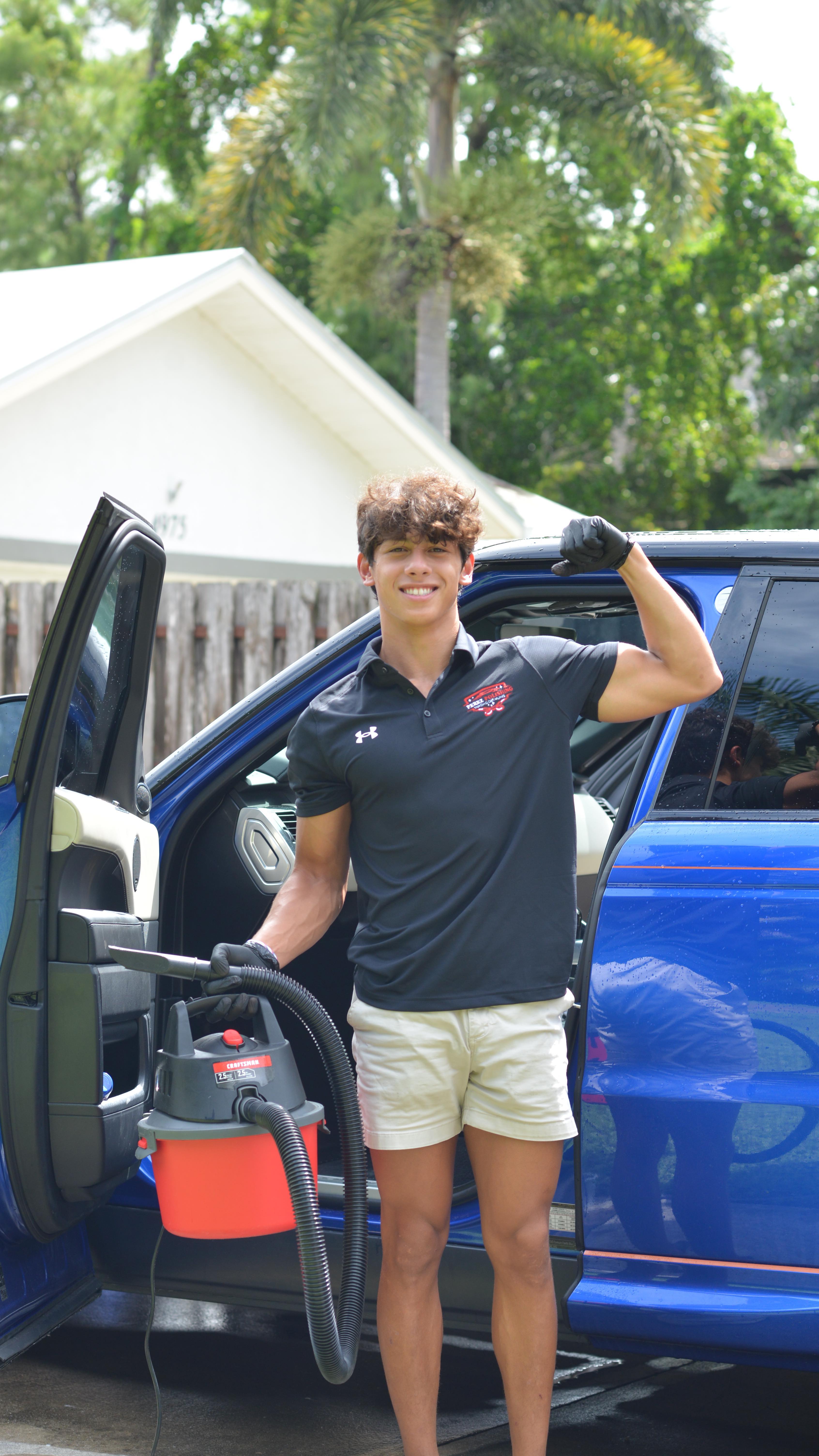
The creators who are going to win long-term are the ones who build something that exists and matters even when the cameras are off and the algorithms change. That’s digital authority. And that’s what I’m building, right alongside Perez Polishing, school and sports, and everything else.
Have you started building your digital authority yet? I’d love to hear what step you’re taking first.
About The Author